

University challenge
Liverpool University is nearing completion of a long-term M&E upgrade that has seen Stokvis plate heat exchangers replace almost all the calorifiers used to provide hot water to its buildings.
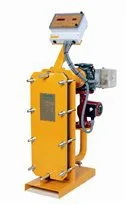
For the past 10 years, the University has been taking its old calorifiers (each one used to store up to 3000L of hot water) out of service as they reach the end of their service lives or become uneconomical. Replacement is with plate heat exchangers, usually accompanied by a 300 to 500L buffer vessel, to supply hot water on demand.
The difficulty of keeping a large volume of water stored at high temperature for long periods means that an old calorifier can provide a breeding ground for Legionella Bacteria. Stokvis says that a plate heat exchanger produces hot water at a reliable temperature on demand. The buffer vessel maintains a small supply for instant use and the system constantly recirculates the water through the system to prevent stagnation and cold-spots developing.
Liverpool University has a large city centre campus served by a CHP district heating system, which Jonathan Cave, senior mechanical engineer at the university, says is perfect for feeding into the Stokvis units.
However, the University has around 300 separate buildings of various types, ranging from laboratories to student accommodation, in its property portfolio.
Within the last year alone, Stokvis Econoplate Packaged plate heat exchangers have been installed in five different buildings, including the Mount Pleasant office building, the Sports & Fitness Centre, the Victoria Building, Harold Cohen Library and, most recently the kitchen of the Guild of Students.
IPE Newsletter
IPE publishes a weekly eNewsletter, delivering a carefully chosen selection of the latest stories straight to your inbox.
Subscribe here