

Quality and health and safety must come first
A nuclear expert says small and medium sized manufacturers must place more emphasis on quality and health and safety if they are going to make the most of a £60bn+ nuclear new build and decommissioning opportunity.
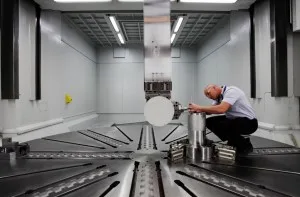
The rallying call was made by Fit For Nuclear (F4N) assessor John Ransford, who is currently helping a number of companies across England stake their claim for work ranging from fabrication and maintenance, to precision components and technical design.
The sector expert believes a completely different mindset is required by management teams looking to enter the industry for the first time, with speed and cost playing ‘second fiddle’ to exacting standards and a world class H&S record.
Ransford explains: “For a long time manufacturers have had it drummed into them that they need to deliver quicker and take cost out of the equation, especially those supplying into automotive, food and, on some occasions, aerospace.
“Nuclear is very different. Of course they are looking for you to meet delivery dates and don’t expect to be overpriced, but there is more of a partnership approach to working with suppliers so they get the critical parts and services they require.”
He continued: “The minimum quality requirement is ISO 9001, but companies will also need to prove they are working towards securing ISO14001 (environmental) and ISO18001 (health and safety).
“In addition, firms will have to demonstrate the right culture and behaviour, that they invest in training and importantly can achieve zero accidents in the production of their parts or the delivery of their services.”
The Manufacturing Advisory Service (MAS) recently joined forces with the Nuclear Advanced Manufacturing Research Centre to roll-out Fit for Nuclear, which lets companies measure their capabilities against industry standards and helps them bridge gaps to meet requirements.
Backed by top tier partners including Areva and EDF Energy, the initiative offers a business improvement journey that will identify strategy, implement new processes, secure necessary accreditations and provide supplier matching opportunities.
It offers participating SMEs the chance to apply for match funding for business improvement or R&D projects.
F4N participants can also take advantage of the Nuclear AMRC’s Nuclear Connections initiative, which helps link manufacturers to specific supply opportunities from the industry’s top tiers.
This is based on a detailed understanding of the production capabilities of individual companies and matching these to current and upcoming tenders, including the Nuclear Decommissioning Authority’s estate.
Ransford added: “We now have funding in place to help an additional 300 manufacturers. Fit For Nuclear starts with a capability questionnaire and online assessment, which will then be followed by a site visit from a dedicated F4N Assessor. They will start developing an action plan that will be verified by industry experts before a nuclear specialist is appointed to deliver the objectives and ensure you’re in the best position to win work.”
The proposed investment is at least £60bn in UK new build, with three development groups set to build 16GW of new capacity at five sites around England and Wales over the next 10 to 20 years.
According to the Nuclear Industry Association (NIA), the UK’s decommissioning programme is worth around £1.5bn a year to companies in the supply chain. These contracts are available now and over many years at numerous sites. The technologies will also be exportable as Britain positions itself to do other countries’ decommissioning.
IPE Newsletter
IPE publishes a weekly eNewsletter, delivering a carefully chosen selection of the latest stories straight to your inbox.
Subscribe here