


Damage:Causes and effects
Shrink wrap can easily get caught in wheels
and cause significant damage to trucks. This
type of damage is common in warehouse
and distribution facilities.
The long term effect is associated with
heat generation throug
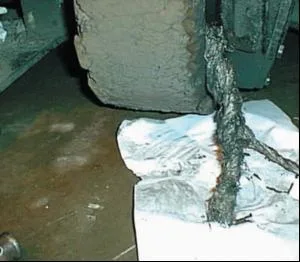
Shrink wrap can easily get caught in wheels
and cause significant damage to trucks. This
type of damage is common in warehouse
and distribution facilities.
The long term effect is associated with
heat generation through shrink wrap
collecting around the wheel axles and drive
units. This creates friction (heat) reducing
the performance of the equipment and in
continued use can damage bearings and oil
seals. The consequences associated with this
type of damage and repair will substantially
increase the unbudgeted expenditure of any
materials handling operation. The cost of a
replacement drive unit, for example, can be
in the region of £3000 depending on
equipment type.
However, the real cost is not only
associated with the repair of the equipment,
but should include downtime and the
implication cost of not moving goods.
Promoting and sustaining basic standards
of cleanliness in the workplace by involving
both operators and supervisors has proved
to be an effective way of reducing
equipment damage and improving safety.
The domino effect (pictured above)
shows the serious damage that can result
from trucks hitting racking. The causes of
this type of damage may be attributed to
poor training or unstable racking.
Ensuring that operators are adequately
trained in all aspects of truck operation can
help to reduce damage. For example,
training operators the correct way to mount
and dismount a truck will help to reduce
operator strain and fatigue and will also
reduce seat wear.
Although this type of damage may not
always stop the use of equipment, Toyota
believes it does have a de-motivating effect
on the operators in their workplace.
This type of damage can also visually
reduce the professional appearance of the
operation to any visitors.
Spills too pose a problem. They can
disrupt an operation and be expensive and
time consuming to rectify, particularly if the
level of toxicity of the products is high.
Damage recovery costs can vary from simple
clean up and repacking to long quarantines
and health and safety inspections.
Related posts

IPE Newsletter
IPE publishes a weekly eNewsletter, delivering a carefully chosen selection of the latest stories straight to your inbox.
Subscribe here