

Advantages of controlled bolting techinques
Controlled bolting is a tightening service that ensures the tightening and loosening of bolts is done in a controlled manner.
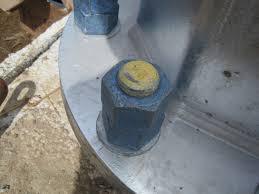
Rushing through this process may result in you not achieving the secure final result that you require. Correctly using a controlled bolting technique can help you meet tighter deadlines and has a number of benefits and advantages.
Here, alongside hydraulic torque wrench specialists, HTL Group, we look at the advantages of controlled bolting techniques:
Safety
Of course, as is the case in any job, safety is paramount. The controlled bolting equipment in this scenario can take away any unsafe actions of manual uncontrolled tightening. This is because the equipment requires highly-skilled and trained operators who follow specific procedures.
Reduced time
Thanks to its automated set-up, there’s no heavy loading and manual effort required. This means that fatigue won’t set in, which in turn would lower productivity levels. Not only is manual labour a lot more strenuous on workers, it’s also a lot more time consuming for a human to do this task.
Also, controlled bolting can eliminate the risk of getting it wrong first time. This method correctly assembles and tightens the joint each time.
Consistency
Consistency is crucial when dealing with joints which have gaskets. This is because an even and consistent compression is required so there’s no damage and so that the gasket can work effectively.
Humans are more likely to make an error. This in itself would mean the task would take a lot longer. But, controlled bolting eliminates this risk. With this bolting technique, you can feel assured that you will be correctly operating every time. This is possible thanks to skilled operators using calibrated and tested equipment and follow specific procedures.
Controlled bolting can also provide accurate calculations which can help give the operator the required tool settings so that usability is easier.
Of course, every time you undergo a tightening procedure, you should start by fully inspecting the equipment. It’s also imperative to check the lubrication of any nuts and bolts and to make sure they’re flush against the flange. Be sure to check for uneven bolt tensioning as this can result in bolts being overloaded or too loose, a gasket leakage, and less than 100% tensioning.
While controlled bolting is more consistent, time-effective and safer, you must still make sure you are correctly trained in the methods used.
IPE Newsletter
IPE publishes a weekly eNewsletter, delivering a carefully chosen selection of the latest stories straight to your inbox.
Subscribe here