

Selecting cut-resistant gloves without compromising on dexterity
Dexterity and comfort are key to performing manual tasks safely while maintaining productivity in sectors like metal and glass handling, automotive, and aerospace. Gloves which deliver the highest cut protection while significantly reducing thickness and weight may be the answer, says Kashif Ali
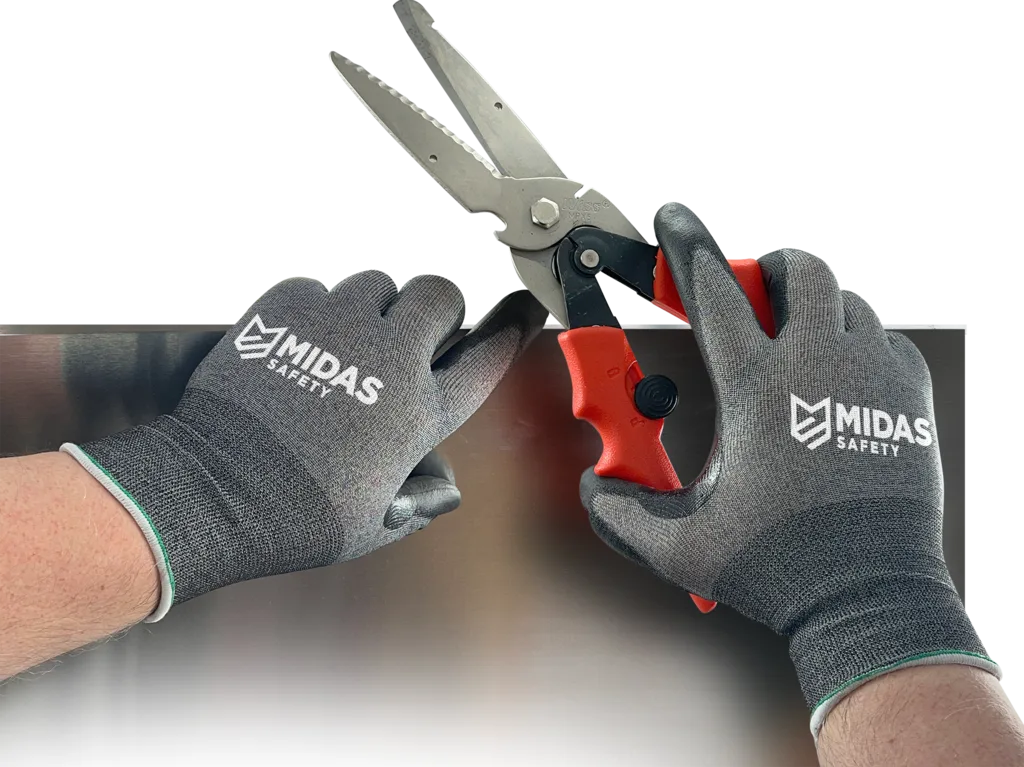
CUT-RESISTANT GLOVES are often the last line of defence against hand injuries in many manufacturing and warehousing environments where cuts, lacerations, and punctures are common risks. Yet, dexterity and comfort are equally critical to performing manual tasks safely while maintaining high productivity.
EN 388 and ANSI 105: High standards for high risks
EN 388:2016+A1:2018 and ANSI/ISEA 105-2016 standards set minimum requirements for cut-resistant gloves sold in Europe and North America, respectively. These standards are also adopted in other regions.
According to EN 388 and ANSI 105 standards, gloves must display, in their marking, the cut protection level, abrasion, tear, puncture, and impact resistance performance. Both standards categorise cut protection according to the force or weight required to cut through the glove – the greater the force, the greater the protection level.
Cut protection level vs dexterity
A glove’s "gauge" is essentially a measurement of its thickness – the lower the gauge, the thicker the glove. A thicker glove generally provides greater cut resistance but poorer dexterity and comfort. This hand protection is typically suitable for situations where the risk of suffering cut injuries is high, tasks are relatively short, and don't require high precision. By contrast, higher-gauge gloves are lighter and enable higher dexterity. This hand protection is generally more suited for workplaces where cut risk may be lower, but workers need to wear hand protection for longer and require high accuracy.
Yet, selecting the appropriate gloves isn't always as straightforward as it may seem. There are applications where high cut protection, dexterity, and comfort must all go hand in hand.
Going beyond binary choices
Selecting cut-protective gloves shouldn’t be about binary choices between worker safety and comfort or between protection and dexterity. Midas Safety has developed a new glove technology that provides the highest cut resistance despite being extremely thin and light. This significant advancement in hand protection, named W74 Tungsten, has been enabled by Midas Safety’s research and development (R&D) capabilities combined with state-of-the-art knitting machines from Shima Seiki, Japan. The W74 Tungsten range is developed by spinning tungsten into the yarn to offer extremely lightweight gloves with high levels of cut protection.
Despite being thin and light, the W74 gloves meet the highest cut resistance requirements according to EN 388:2016 standard (level F) and ANSI/ISEA 105-16 standard (level A7-A9).
Workers performing manual tasks across manufacturing, warehousing, and logistics can now count on optimal comfort and dexterity combined with maximum cut protection. Wearing hand protection that combines optimal safety and comfort can help reduce fatigue, leading to higher productivity and safety.
Kashif Ali is director – product management and marketing at Midas Safety
For more information:
IPE Newsletter
IPE publishes a weekly eNewsletter, delivering a carefully chosen selection of the latest stories straight to your inbox.
Subscribe here