

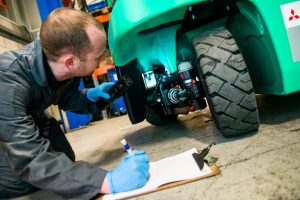
The knock-on effects of an accident in the materials handling industry
CFTS, THE body behind the UK’s independent LOLER and PUWER Thorough Examination standard, has issued a warning about the knock-on effects of accidents in the materials handling industry
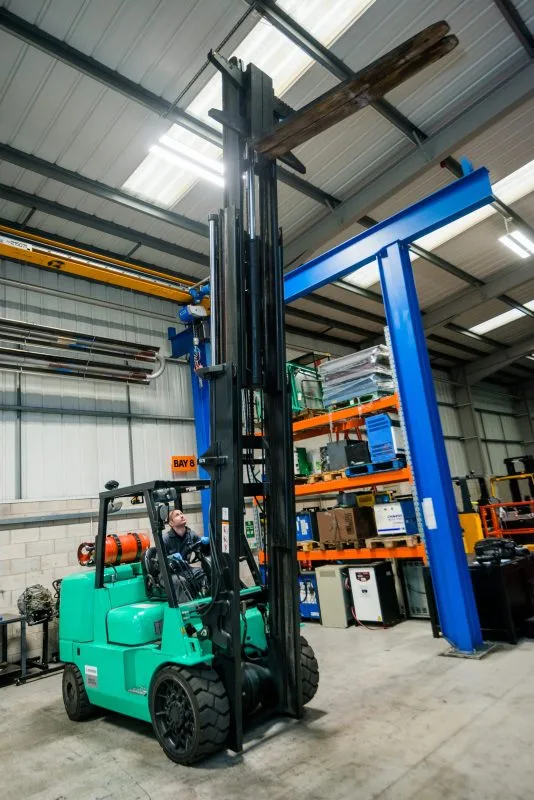
This includes the indirect, long-term consequences on operational output, profit margins, and repair costs.
“Reach trucks, stackers, and other lifting equipment in the workplace are operational essentials for this industry. So, when something is involved in an accident, the resulting damage or loss may have a significant wider impact on your business than first thought,” said CFTS director Rob Fisher.
“For example, the temporary loss of critical equipment can easily lead to costly downtime, operational disruption, and harm to customer relationships. Then there’s the repair costs, including any associated damage to your site, stock, or equipment. You may also need to hire replacement equipment short- or long-term, further compounding costs. These are all costs that could’ve likely been avoided through timely, thorough examinations.”
One further consideration is the human cost. That’s where PUWER comes in, checking all non-lifting, but safety critical components including seat restraints, brakes, traction systems, and wheels. When an accident occurs, there is always a risk of injury or worse, for people in the area. And with 27% of all non-fatal injuries reported under RIDDOR relating to the materials handling industry, it’s more relevant than ever.
Your staff need to have faith that they are safe in the workplace and not at risk every day, because even the most experienced drivers can’t compensate for faulty equipment. And after an accident, you have other concerns, such as employee morale, replacement costs, and massive fines from the HSE — all of which could have been avoided with a timely Thorough Examination.
A cut of your profits
With HSE fines for material handling infringements averaging £145,000, companies could be forgiven for assuming this is the biggest risk. But there are far more knock-on effects further down the road. A company’s bottom line can be affected by lower output, altered travel routes, repair costs, and reputational damage, all avoidable if mechanical failures had been caught before they happened.
“The easiest way to avoid these risks is to get ahead of them. A CFTS Thorough Examination is the most comprehensive way to ensure both LOLER and PUWER requirements are met. For safe working and peace of mind, owners of materials handling equipment need to be sure that every vital component is cleared to work well,” Fisher continued.
“My advice to anyone who thinks they can get away with missing an inspection is to consider the long-term financial implications on your business. As well as the costs associated with damaged equipment, it’s worth remembering that fines from the HSE are frequently 6 or even 7 figures.”
There are over 800 CFTS-accredited members around the UK, making it easier than ever to find a local inspector who can help.
To find your nearest CFTS-accredited company, visit: CFTS Thorough Examination
Related posts

IPE Newsletter
IPE publishes a weekly eNewsletter, delivering a carefully chosen selection of the latest stories straight to your inbox.
Subscribe here