


Arco convenes national steering group to drive action on silicosis
ARCO HAS convened a new national steering group, bringing together parliamentarians, clinicians, occupational health specialists and industry leaders to drive critical action on silicosis
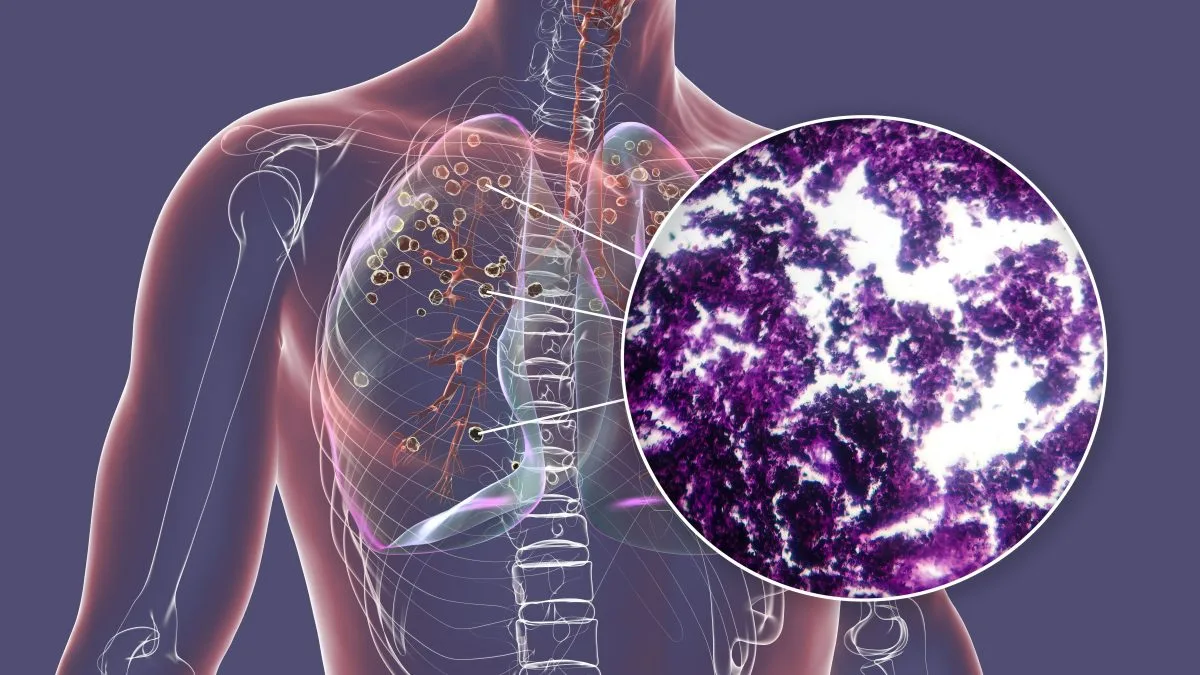
During the inaugural meeting, members of the group outlined and agreed a series of priorities, with a focus on preventing exposure to silica dust, improving awareness of the disease, strengthening health surveillance and supporting earlier diagnosis for workers at risk.
Chaired by Jim Shannon, chair of the All Party Parliamentary Group (APPG) for Respiratory Health, the steering group has been joined by parliamentarians including Liz Twist and Ian Lavery, chair of the APPG for Occupational Safety and Health, alongside Johanna Feary, an academic consultant in Occupational Lung Disease at Royal Brompton Hospital, Kevin Bampton, CEO of the British Occupational Hygiene Society, Alex Fynney, representing Asthma and Lung UK, Emily Agyeman, from the National Federation of Builders, and Charlotte Walshe from the British Safety Council.
They are joined by experts from Arco, including Christian Halford, technical quality director, and have been unified as part of the company’s wider campaign to turn evidence gathered from industry and healthcare experts into practical recommendations for policymakers, regulators and employers.
During the meeting, members discussed opportunities to improve access to screening and health surveillance for workers exposed to respirable crystalline silica, recognising that earlier identification of disease can significantly improve outcomes and help prevent disease progression.
From a worker protection perspective, committee members emphasised the critical role of appropriate respiratory protective equipment (RPE) in safeguarding workers, while recognising that effective protection must include dust suppression, local exhaust ventilation and safe systems of work to minimise exposure.
Members also identified the need to better support SMEs and microbusinesses, where awareness, access to specialist advice and the cost of implementing controls can present particular challenges.
Over the coming months, the committee will also explore opportunities to strengthen health surveillance for workers in higher-risk industries and will scrutinise the barriers that can prevent earlier identification and diagnosis of silicosis.
Members will engage with regulators, policymakers, healthcare leaders, employers and other stakeholders to gather crucial evidence, before developing practical recommendations to drive improved worker protection, informing future guidance and supporting better outcomes for those at risk of developing the disease.
The committee was established following a Westminster roundtable hosted by Arco earlier this year, where clinicians, occupational health specialists, policymakers and industry representatives highlighted the desperate need for a more coordinated approach to tackling silicosis.
Feary told roundtable attendees that 8% of patients she had seen with silicosis had died, with a number being assessed for a lung transplant.
Many of the men identified to date are in their 20s, 30s and 40s with deaths from silicosis reported in men as young as 28.
“Silicosis is a devastating yet entirely preventable occupational health disease affecting workers throughout the UK,” she explained. “While powered respirators represent the gold standard in respiratory protective equipment, PPE used in isolation should never be viewed as a solution to reducing exposure to silica dust.
“Effective dust control including engineering controls, water suppression and appropriate ventilation are all critical in reducing exposure and preventing this life-changing disease.
“If we wait until people develop symptoms, the chances of them progressing to more severe disease are much greater. We need to identify workers with silicosis before symptoms emerge, so we can remove them from further exposure and improve long-term health outcomes,” Feary continued.
“The impact extends far beyond physical health. I’ve lost patients from our clinic who have been forced to leave the UK because they can no longer afford to live here after their diagnosis. Most are unable to continue working in the trade they’ve built their lives around and the financial and emotional toll on them and their families can be devastating. This disease is destroying lives, and we need to do so much more to support those who are affected.”
Halford described the new steering group as “a unique opportunity to bring together industry, healthcare experts and policymakers to improve awareness, strengthen prevention and ensure workers receive the protection and support they need and deserve”.
“While engineering controls, safe systems of work and effective dust suppression measures must always be the priority, suitable respiratory protective equipment remains a vital last line of defence,” he said.
“Workers need access to the right control measures, from effective dust suppression and ventilation through to appropriate respiratory protection. Those working with silica products should be using a powered respirator with a protection factor of 20. We need to get them into workplaces where they are perhaps not able to afford that level of PPE.”
Related posts


IPE Newsletter
IPE publishes a weekly eNewsletter, delivering a carefully chosen selection of the latest stories straight to your inbox.
Subscribe here