

 news
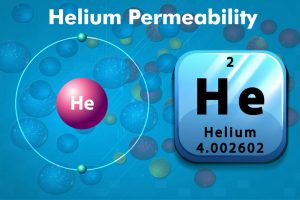
newsVersaperm provides testing for helium permeability
HELIUM IS essential – it is used in everything from MRI scanners to satellites, from semiconductor chips to optical fibres and from arc welding to textiles and airships.
newsHELIUM IS essential – it is used in everything from MRI scanners to satellites, from semiconductor chips to optical fibres and from arc welding to textiles and airships.
 news
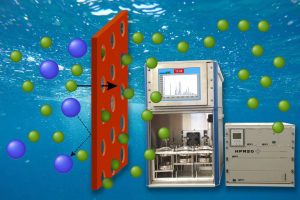
newsSEMI-PERMEABLE membranes and filters are used across a huge range of applications. Analysing the effectiveness and choosing the best materials for a membrane, filter or barrier is complex; the new MS Vapour Permeability Meter from Versaperm makes the process faster and simpler.
 news
newsTHE FASHION industry employs millions of people globally and is worth trillions of dollars.
 product
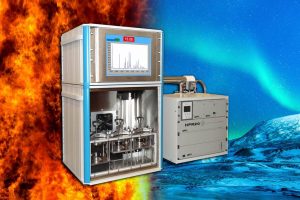
VAPOUR PERMEABILITY systems are available from Versaperm to measure how well seals, pipes, electronic enclosures and general materials perform across temperatures from -80 to 1100C and pressures from 0 to 300bar.
 product
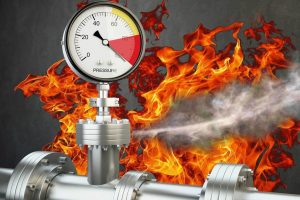
Some form of O-ring, seal, bonding, mastic or enclosure is in almost every product and piece of equipment to preserve and protect by keeping out water vapour, hydrocarbons such as greases, CO2 or other contaminants. All seals are affected not just by the materials themselves but also by temperature and pressure.
 product
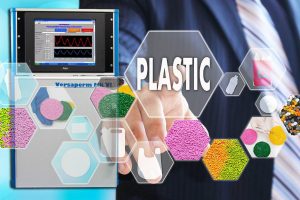
Versaperm’s systems can measure vapour permeability under a wide range of environmental conditions for every gas in general use, including water vapour, hydrocarbons, oxygen, carbon dioxide and nitrogen. Measurements are fast and precise with accuracies in the PPM to PPB ranges.
 news
newsINTRODUCED BY Versaperm, the MS meter can measure a material, sample, product or component’s permeability for almost any gas or gases – including O2, CO2, nitrogen, hydrocarbons and water vapour.
newsVersaperm has introduced a testing service to measure the vapour permeability of packaging and materials.
 product
Versaperm has introduced its latest vapour test instrumentation.
 product
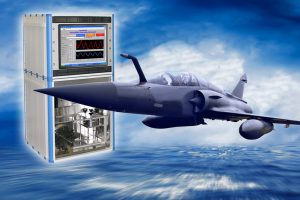
According to Versaperm, one of the main barriers to mechanical performance is the complex task of preventing water or hydrocarbons seeping into the wrong places.
IPE publishes a weekly eNewsletter, delivering a carefully chosen selection of the latest stories straight to your inbox.
Subscribe here
Western Business Media,
Dorset House, 64 High Street,
East Grinstead, RH19 3DE
01342 314 300
[email protected]
© Western Business Media, 2026. All rights reserved.