

 product
Seal-less solutions
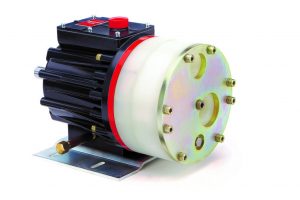
Wanner International believes its Hydra-Cell seal-less diaphragm pumps can eliminate the costly issues that result when pumps fail through running dry, or become damaged due to pumping corrosive liquids.
productWanner International believes its Hydra-Cell seal-less diaphragm pumps can eliminate the costly issues that result when pumps fail through running dry, or become damaged due to pumping corrosive liquids.
 product
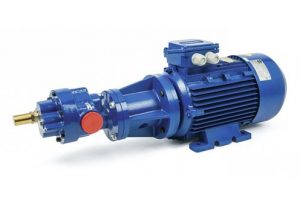
The GVR range of Gear Pumps which are ideally suited to transferring a wide range of viscous fluids such as fuel, gear and lubricant oils, varnishes, molasses and cosmetics, now includes an option for face mounting on B3/B14 motors in addition to the standard B3/B5 flange mount.
 product
An office building in central London is reaping the benefits of replacing obsolete pumps with energy-efficient models, following a Grundfos Energy Check.
 product
The Grundfos SP reached a significant milestone this year when it celebrated its 50th birthday.
 product
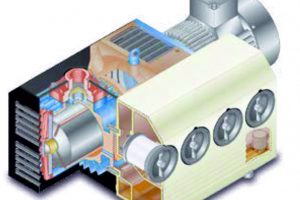
AxFlow is now a distributor of Gardner Denver’s Elmo Rietschle brand of vacuum pumps and blowers in the UK.
 product
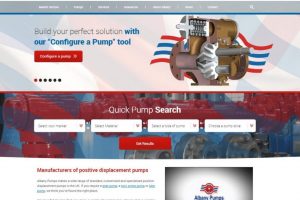
Albany Pumps has launched an online Pump Configurator tool which can be used to understand the company’s new product portfolio and specifying a pump more quickly.
 product
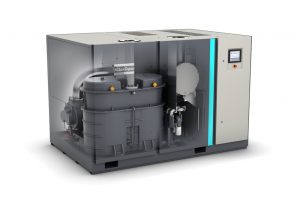
Atlas Copco has extended its range of variable speed driven vacuum pumps with the addition of three models that offer flow rates to 5004m3/h.
 product
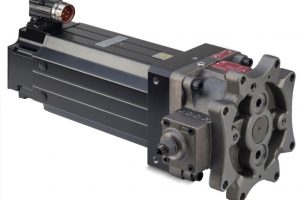
Moog, a designer and manufacturer of high performance motion control products, solutions, and services has launched a new-generation Electro-Hydrostatic Pump Unit (EPU) that will help machine builders and end-users derive the combined benefits of both hydraulic and electric actuation.
 product
Pressure instrument calibration is a significant part of the maintenance workload in process plants that requires a high level of accuracy and repeatability. The new Fluke 729 Automatic Pressure Calibrator is said to simplify the calibration process by automatically generating precise test pressures, improving calibration integrity by compensating for leaks, and automatically documenting the pressure calibration process to help meet compliance and regulatory requirements.
 product
Most producers use glycols, typically Triethylene Glycol (TEG), to remove water vapour from the gas stream of natural gas. This prevents the formation of hydrates that cause freezing and blocking of pipelines and valves, reduces system corrosion and produces gas that meets pipeline quality standards.
IPE publishes a weekly eNewsletter, delivering a carefully chosen selection of the latest stories straight to your inbox.
Subscribe here
Western Business Media,
Dorset House, 64 High Street,
East Grinstead, RH19 3DE
01342 314 300
[email protected]
© Western Business Media, 2026. All rights reserved.