

Building efficiency and cutting costs
Variable speed drives have helped to slash energy consumption on fans and centrifugal pumps at BioCity, the former Boots R&D centre in Nottingham city centre
The site consists of four multi-storey buildings, each containing office space and laboratories and now used for business start-ups and mature life science companies. Founded jointly by the University of Nottingham and Nottingham Trent University in 2002, BioCity hosts many entrepreneurial companies within the health care and pharmaceutical sectors occupying anything between customised small spaces to whole floors.
The mechanical and electrical infrastructure of the original buildings have constantly been modified and upgraded to reflect the growing need for building efficiency and much of this work has focused on water pumping, heating, IT, lighting and air conditioning and ventilation systems.
The monthly electricity bill in excess of £50,000 across the whole site prompted BioCity’s engineering manager Colin Whitelock to investigate ways to further reduce expenditure, and industrial energy efficiency experts from Dalroad Norslo were consulted.
Whitelock explains: "My investigations into the power consumption of the site water pumps and HVAC systems showed that the electric motors driving them were a major source of energy usage and it was quickly established that they were not running as efficiently as possible."
The pumps and fans in question were often connected directly to the sites main 3-phase power system and found to be running faster than necessary to achieve the various pressures and temperatures required for efficient operation and the client’s comfort throughout the year. Flow from various pumps had been throttled by valves and some of the fans were still using inefficient guide vane technology from a time gone by.
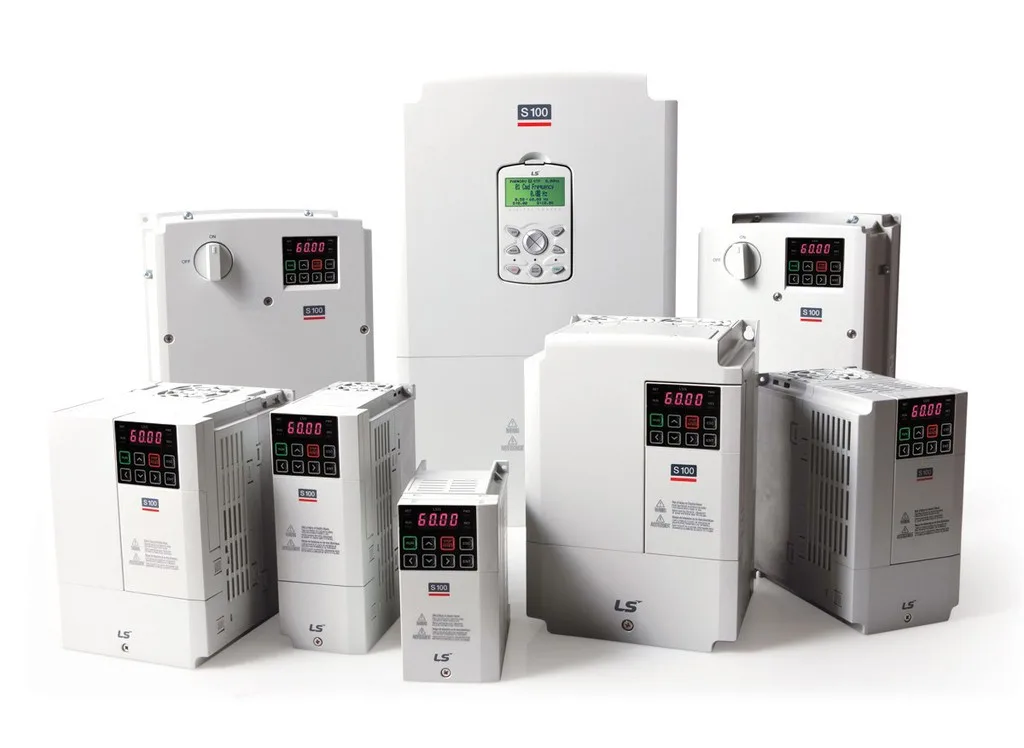
After further measurements and consultation with Dalroad’s engineers, twenty two LS Industrial Systems S100 type variable speed drives (VSDs) supplied by Dalroad were installed by BioCity’s own team of engineers in close proximity to the fans and pumps which were located in several plant rooms and at roof level in both the Innovations Building and the Stewart Adams Building.
Whitelock adds: “The introduction of LS VSD’s to systems on site, that had no control measures on them, is the latest step in the energy-saving initiatives implemented on the BioCity Nottingham site. The drives were simple to install and set up and, once commissioned, the task of calculating the energy savings – made possible by installing the VSD’s began.”
Following the completion of the installation of the LS drives in May 2017, energy consumption across the entire site was monitored over a one-year period and – compared to the previous 12 months usage – an impressive saving of 845,900kWh had been achieved.
The energy saved in terms of kilowatt-hours across the site translated to a saving in excess of £58,000 per year and achieving a return on BioCity’s investment (payback time) of just under 3 months.
“As can be seen by the figures, the installation of these drives has had a significant effect on the electrical consumption on site, the payback period from this is the best achieved so far. Payback on other energy saving projects has been between 6 and 15 months. As a result of the savings achieved on the electrical supply, the energy saving initiatives are now being rolled out at our Scotland site, says Whitelock.
With experience in energy-saving techniques using LS variable speed drives, and across many blue-chip company sites, Dalroad has demonstrated that with investment in this technology, energy savings are easily achievable.
IPE Newsletter
IPE publishes a weekly eNewsletter, delivering a carefully chosen selection of the latest stories straight to your inbox.
Subscribe here