

Joining metals with ultrasonics
Already a widely used process for joining plastics,
ultrasonics is now being used for an increasing number of
metal welding applications. Here, Martin Frost, sales
manager of Telsonics UK outlines the benefits of the
ultr
Already a widely used process for joining plastics,
ultrasonics is now being used for an increasing number of
metal welding applications. Here, Martin Frost, sales
manager of Telsonics UK outlines the benefits of the
ultrasonic welding process
Ultrasonic metal welding is a friction
welding process, where oxides and
other contaminations present on the
material surfaces are broken up and the parts
to be welded are brought together under
simultaneous pressure. Molecular bonding,
similar to the conventional cold-press
welding, then takes place. The process also
provides optimum strength since no microstructural
changes occur in the boundary
layer. The joint produced using ultrasonics
also provides good resistance and heat rise
properties.
Welding metals using ultrasonics differs
from the more common plastics welding
techniques in that the ultrasonic energy is
delivered transversely rather than
longitudinally. Telsonic’s SoniqTwist concept,
for example, is a torsional welding system
using circumferential amplitudes. It is also
effective for metal welding. Another major
difference between plastic and metal welding
is that for metals, the joining process takes
place at temperatures that are approximately
30 to 40% below the melting temperature of
the base material.
Ultrasonics can be used to weld a
comprehensive range of thin section, ductile,
conductive metals including: copper, nickel,
aluminium, brass, silver and gold. This range
of metals is commonly found within the
electrical, electronics and photovoltaic
industries and it is in these sectors where
ultrasonic metal welding is becoming more
widely used.
Just a few examples of where the
technology is already being successfully
applied include welding aluminium and
copper foils on to connector bars for lithiumion
batteries, hermetically sealing aluminium
and gold tubes, welding copper leads on to a
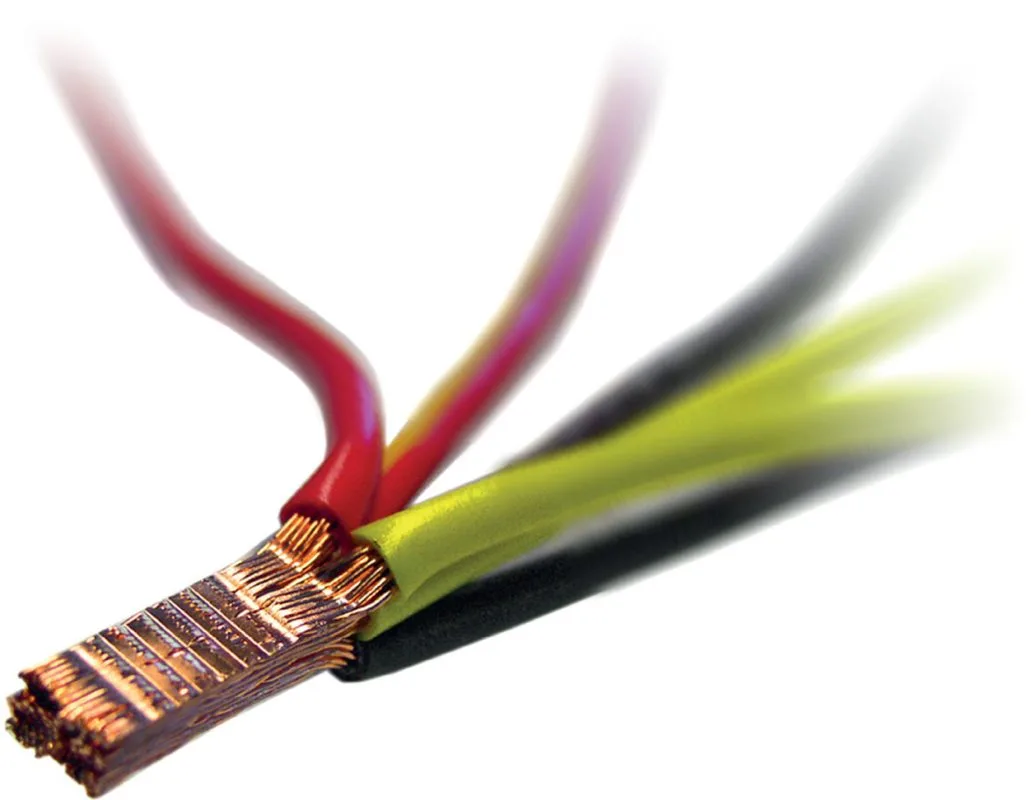
coated ceramic substrate and wire splicing
applications using Telsonic’s special purpose
Windows-driven splicing machines for wire
harness and loom production.
Examples of continuous ultrasonic
welding include seam welding composite
aluminium and plastic tubes and copper
flutes to tubes in the heating and solar panel
industries. The capability to join materials
with dissimilar properties, very short
welding times, low heat generation at the
welding point and the resultant weld
strength close to that of the base material are
all key attributes of the process.
Applying the technology
Although the fundamental elements of
ultrasonic welding systems for metal share
much of the same technology as their plastic
welding cousins, Telsonic has developed a
range of ultrasonic modules and machines
that are configured specifically for metal
welding applications. These include linear
and torsional welding systems, rotary heads
for continuous welding and splice welding
systems.
Depending upon the materials to be
processed and the welding action to be used,
linear, torsional or continuous, ultrasonic
modules and machines with frequencies of
20 or 35kHz and with available power from
500W to 10kW can be selected from
Telsonic’s range. Surface areas of up to
200mm2 can be processed with a weld force
of up to 9000N, further expanding the range
of ultrasonic metal welding applications.
One of the major benefits of the ultrasonic
welding process is the precise control which
can be achieved during the welding cycle and
the capability to record, store and analyse the
weld parameters for quality control
purposes.
A number of software extensions are
available to work in conjunction with the
various metal welding systems. The
TelsoResult software package, for example, is
suitable for quality control purposes. This
version of the software can record data from
multiple devices and provides the capability
to import statistical data into a spreadsheet
format for detailed analysis. TelsoResult is
also compatible with PLCs making it
suitable for automated manufacturing
facilities.
IPE Newsletter
IPE publishes a weekly eNewsletter, delivering a carefully chosen selection of the latest stories straight to your inbox.
Subscribe here