

No room for complacency
Our workplaces are continuing to get safer – good news for
everyone, yet Stanley Handling highlights some facts and
figures that suggest that, when it comes to manual
handling, there is still more work to be done
Data
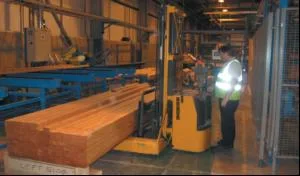
Our workplaces are continuing to get safer – good news for
everyone, yet Stanley Handling highlights some facts and
figures that suggest that, when it comes to manual
handling, there is still more work to be done
Data for the first two quarters of
2009/10 from the HSE (RIDDOR)
indicate that non-fatal workplace
injuries continue to decline, following a
general trend evident since 2004/5, with
major injuries down by an impressive 12%
compared to the same period last year.
Numbers of ‘slips and trips’ and ‘falls’ related
injuries have fallen as have ‘struck by’
incidents, although the latter showed an
increase between the first two
quarters. ‘Handling’ injuries
fell by 13%. Of all industry
sectors, only food, drink and
tobacco manufacture saw an
increase in reported injuries.
The figures do still make
worrying reading for
employers, data for 2008/9
revealing that of 29.3
million days lost to workrelated
accident or illness,
some 4.7 million were due
to workplace injury. A total
of 180 workers were killed
at work, there were 131, 895
other injuries reported
(RIDDOR) and 246,000
reportable injuries (Labour Force Survey).
Figures for self-reported work-related ill
health indicate that musculoskeletal
disorders accounted for the lion’s share of
complaints with ‘stress, depression or
anxiety’ the next most widespread. This is
reflected in data on reported work-related illhealth
collected from doctors and specialists.
Interestingly though, mental health gives rise
to more working days lost.
The perceptions held by both employers
and employees of workplace health and
safety again tend to mirror the injury data.
According to the Fit3 Employer survey,
musculoskeletal disorders and slipping and
tripping were the most commonly reported
health and safety risks by British employers.
The Fit3 Worker survey showed that some
76% of a sample of workers involved in
manual handling considered it a risk to their
health and safety. Significantly, the
percentage who felt that their employer was
effective in reducing the risk from manual
handling was similar at 74%.
Employers have a statutory duty of care to
employees and the law is clear as to the
responsibilities of both. Besides the safety and
well-being of employees, the possibility of
prosecution and the penalties available add
further to the importance of compliance.
Legislation relating to the use of equipment
in the workplace includes PUWER (Provision
and Use of Work Equipment Regulations
1998) and LOLER (Lifting Operations and
Lifting Equipment Regulations 1998) which
between them apply to all equipment and its
use at work including that used for lifting,
lowering and carrying.
Although employees do not have specific
duties under LOLER and PUWER, they do
have general duties under the Health and
Safety at Work Act and the Management of
Health and Safety at Work Regulations 1999,
requiring them to take reasonable care of
themselves and to co-operate with others
who may be affected by their actions.
Employers and employees are subject to the
Materials Handling Operations Regulations
1992 (revised in 2004) and these apply to
manual handling activities, including lifting,
lowering, pushing, pulling or carrying
whether or not carried out using ‘equipment’.
Note that the equipment regulations apply
to anywhere that the HSW Act applies. A risk
assessment should contribute to protecting
your workers and your business and help
you to comply with the law. The HSE
suggests a ‘five step’ approach:
Identify hazards
Decide who might be harmed and how
Evaluate risks and decide on precaution
Record and evaluate findings
Review and update as necessary
Once the assessment has been completed,
steps can be taken to avoid hazards in
handling, assess unavoidable hazardous
operations, remove or reduce the risk of
injury and monitor progress. In many
organisations risks are well known and
managed and workplace manual handling
can be reduced and simplified, and any risks
further reduced by following easily available
guidelines. Simple steps – clearing spillages
and keeping floors clear of obstacles for
example – are both cheap and effective.
Use of mechanical equipment can cut
‘manual’ operations and improve safety as
well as permitting operations involving
heavier and more awkward loads and higher
volumes. From hand and heavy duty
powered pallet trucks to powered and
counterbalanced stackers and a wide range of
specialist and bespoke equipment, Stanley
Handling offers solutions and advice for all
handling applications.
Clear policies to manage health and safety,
use of appropriate technology, thorough
training and a safe working environment not
only raise productivity but can lower costs
and provide key building blocks for a
company’s success.
IPE Newsletter
IPE publishes a weekly eNewsletter, delivering a carefully chosen selection of the latest stories straight to your inbox.
Subscribe here