

Out of sight, but not out of mind
More than two million commercial properties in the UK,
including factories, warehouses and offices are believed to
be empty, according to 2011 government figures. Here,
Debansu Das, head of marketing at vacant property
ma
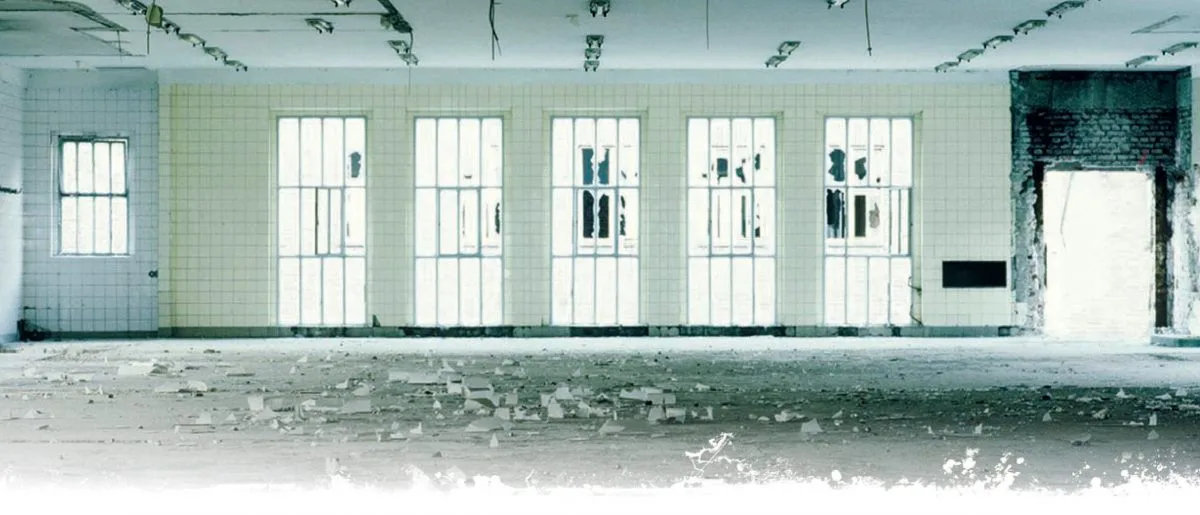
More than two million commercial properties in the UK,
including factories, warehouses and offices are believed to
be empty, according to 2011 government figures. Here,
Debansu Das, head of marketing at vacant property
management specialist SitexOrbis, offers advice on
managing empty warehouses
Commercial properties lying empty
not only forfeit potential rental
income but are magnets for squatters,
vandalism, metal theft, arson, grafitti and flytipping.
Empty industrial buildings are
particularly at risk. Usually located on
secluded factory estates, they are not only
exposed to these risks, but may not be visited
for prolonged periods and so spiral into
dilapidation. The solution lies in innovative
management of vacant commercial
properties, an approach that can vary
depending on property type and location.
An essential aspect of keeping any empty
building secure is to properly manage its
closure. Start with a comprehensive risk
assessment that looks at how intruders might
gain access. Different parts of the building
may be exposed to different risks, and a
property in a poorly-lit area will be at greater
risk. Also consider other sources of damage
such as fire and water. Turn off the electricity
and gas and the water at the main stop valve.
Check protective installations such as fire
detection and alarm systems. Remove items
of value, waste and combustible fixtures.
Neglecting to inform your insurer
immediately when the property becomes
empty puts you in breach of your ‘change of
occupancy’ clause, meaning you probably
will not be covered in the event of damage.
Regular inspections with a full audit trail are
often necessary to remain compliant with
insurance requirements and health and
safety regulations.
Managers of large commercial buildings
should consider informing the local fire
safety department about issues to do with
access and the location of fire water supplies.
Securing the premises is vital. Industrial
buildings in desolate areas will likely require
intensive security measures, including
perimeter protection and physical security
such as demountable metal screens on doors
and windows, lighting, electronic security
systems, or expensive traditional measures
such as manned guarding and CCTV.
Boarding can be anything from timber (at
least 18mm thick) to steel grilles, and should
be properly secured to the building. Wooden
boarding is less effective than firmly-fixed
metal security screens and can be a fire hazard.
If the building has power and telephone
connection, then a security alarm or a
remotely-monitored CCTV system may be
installed. Many properties have standard
intruder alarms, fitted by companies approved
by the National Security Inspectorate (NSI)
or the Security Systems and Alarms
Inspection Board (SSAIB). Some systems are
monitored by a NSI/SSAIB-certificated
alarm receiving centre, with capability to
alert the police when an alarm is activated.
However most empty warehouses don’t
have telephone or power; in such cases
portable, battery-powered alarms offer a
solution. The property may also benefit from
a video alarm solution. These are rapdily
deployed and cost-effective visual
verification alarm systems that can be used
almost anywhere. As soon as movement is
detected, the alarm is triggered and the
system captures a 10sec recording of the
scene. A benefit is that video identification
cuts down on false alarms. When sensors are
tripped, images are sent straight to a 24/7
response centre, where operators determine
whether the alarm has been triggered by
perpetrators. They can then call the police.
Ongoing maintenance of the empty
property is vital and a big part of keeping up
appearances. Keep the building and its
surroundings clean and tidy. If waste is
dumped or graffiti artists target the area,
clean up the damage quickly to prevent the
problem escalating.
The main thing is to tailor measures to the
risks of the property: A vacant commercial
property in a low-risk area may only require
security screens, a standard alarm and
periodic inspection; a medium-risk property
may need to be boarded with security
screens, a standard alarm and a regular
inspection; and a high-risk property may
require boarding up, a video alarm solution
and a daily inspection regime. Remember to
keep a proper audit trail for all your measures
and inspections. If in doubt, contact a vacant
property management expert who will know
the inherent risks of an area and will
recommend appropriate measures.
IPE Newsletter
IPE publishes a weekly eNewsletter, delivering a carefully chosen selection of the latest stories straight to your inbox.
Subscribe here