

Single supplier status
Ian Ritchie, managing director of Brammer, a leading distributor of industrial maintenance, repair and overhaul (MRO) products and services, explains how using a single supplier for MRO products provides manufacturers with both financial and operational benefits
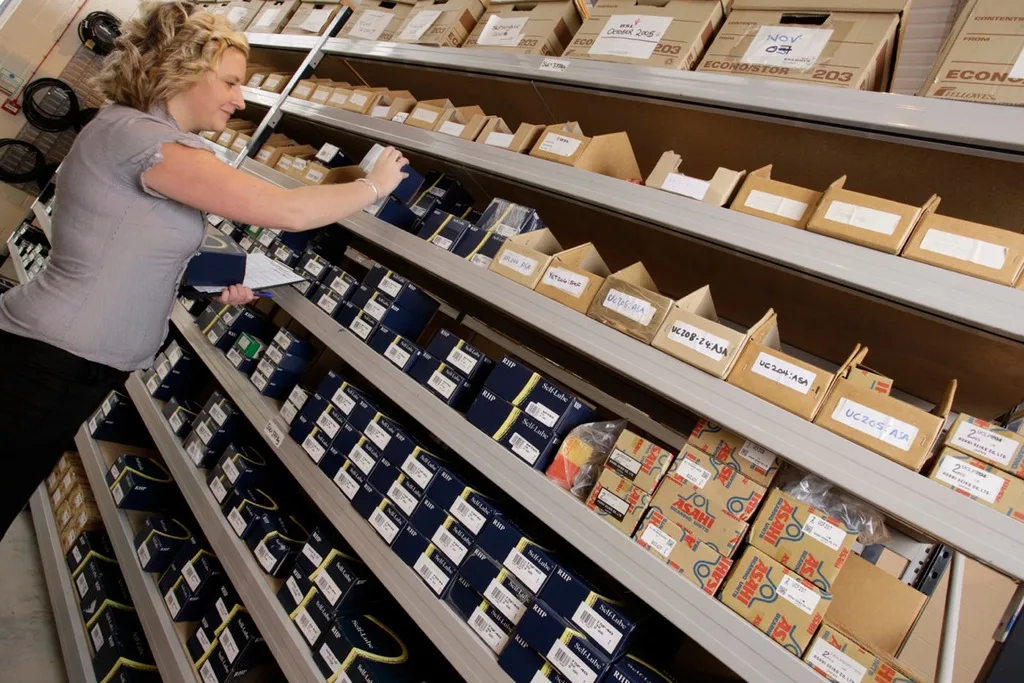
One of the biggest challenges for manufacturers remains the need to optimise production output and efficiency while reducing operational costs. The strategies, goals and metrics of production and maintenance teams need to align with manufacturers’ plant performance optimisation, meaning effective management of plant equipment is essential.
Unplanned downtime can cost manufacturers thousands of pounds per hour and severely impact productivity, meaning possible failure to meet deadlines and a loss of valuable custom. Additionally, ageing plant and equipment can be costly, with some companies driving equipment beyond its expected lifespan. Having the right selection of MRO products is therefore essential to ensure vital spare parts are readily available to help minimise unplanned downtime, meet deadlines and maintain customer relationships.
Stock management is regularly an issue. Many companies find themselves holding a large value of stock as they are unable to efficiently and reliably manage data on their component usage, and stock is often replicated across numerous locations on-site meaning capital is tied up in unnecessary stockholding. Manufacturers can often be forgiven for thinking that the best solution is to work on this reactive basis, as the purchasing of spares for daily maintenance and repair can be a complex, time and resource consuming task, irrespective of the sector in which they are operating. However this is not the case. Reactive working strategies frequently result in unreliable performance or breakdowns, emphasising the need to work more proactively and rationalise stores management.
Well-managed stockholding can provide added value, with major cost savings through demand reduction, maintenance improvements and reduced inventory production. Having a single specialist MRO partner can offer a strong combination of procurement and supply chain management expertise, as well as value-added services such as condition monitoring, surveying and energy audits.
Best practice in stock management is geared around both optimising inventory held at site, which should be routinely profiled to ensure accuracy and alignment with consumption of key components, and a focus on standardisation of key products and technologies throughout the plant. Single partners for MRO services manage this often overwhelming task, ensuring plants only have the right stock at the right levels on-site.
Partnerships also provides manufacturers expert knowledge and the opportunity for an in-house branch. Brammer, for example, provides an on-site branch service, Insite, whose offering will be entirely geared to the needs of the customer in terms of stockholding, opening hours and technical expertise.
Finding the right component often entails significant use of engineering, purchasing and administration time in sourcing a supplier and negotiating a price. Additionally, factories have to then deal with receiving and managing the goods. An Insite team offers plants complete MRO procurement and management, specifically tailored to meet business needs. This ensures that only the correct parts are selected, bringing longer lifespan and greater efficiency.
Enhanced support can also free up valuable in-house procurement, production and maintenance capacity. A partnership with a specialist MRO supplier means that companies receive consistent and reliable advice while removing the complexity of MRO stockholding. Most important is the guarantee that manufacturers and plants will be using the most appropriate and cost-effective components, which is achieved through leveraging the extensive relationships and expertise that MRO specialists have, allowing companies to benefit from their buying power and expert knowledge.
Through engagement with a single MRO supplier, such as Brammer, companies of all sizes can reduce total acquisition costs and working capital, delivering measurable improvements year-on-year. This in turn adds value to the engineering team through the optimisation of plant uptime and production output. Most important, however, is the knowledge that production will not be interrupted because of the unavailability of a crucial spare part and capital is not being tied up in spares that may never be used.
IPE Newsletter
IPE publishes a weekly eNewsletter, delivering a carefully chosen selection of the latest stories straight to your inbox.
Subscribe here