

Ten steps to asset tracking
Seton suggests 10 simple steps to help companies track their assets.
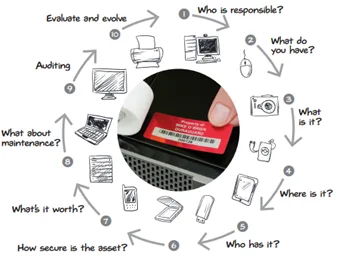
- Who is responsible? Assign an asset manager to control, build and maintain your process. Formalise the asset management policy and communicate it to all employees
- What do you have? Create a comprehensive inventory. Consider the recording method – from simple written recording to sophisticated cloud-based software such as AssetGuard PRO.
- What is it? Ensure the asset manager has sufficient information about each asset for easy management / auditing.
- Where is it? Define whether the asset is mobile or fixed, and whether it is linked to a particular department /cost centre.
- Who has it? Provide information on the asset holder and details of any usage agreements between your organisation and the employee.
- How secure is the Asset? Use an appropriate Asset Tag / Label – you can include a barcode AND an asset number, and even a high durability or tamper evident Asset Tag.
- What’s it worth? Accurately value your inventory. Keep receipts.
- Maintain assets to ensure continued efficient functionality – consider organisational standards of maintenance and legal requirements e.g. PAT testing.
- Regularly assess the performance and usage of assets, repair costs and who is using them most effectively.
- Evaluate and evolve: Review your Asset Management Policy regularly – it is a dynamic and will change as your business changes. www.seton.co.uk/asset_tags
IPE Newsletter
IPE publishes a weekly eNewsletter, delivering a carefully chosen selection of the latest stories straight to your inbox.
Subscribe here