

Testing the fit of safety footwear
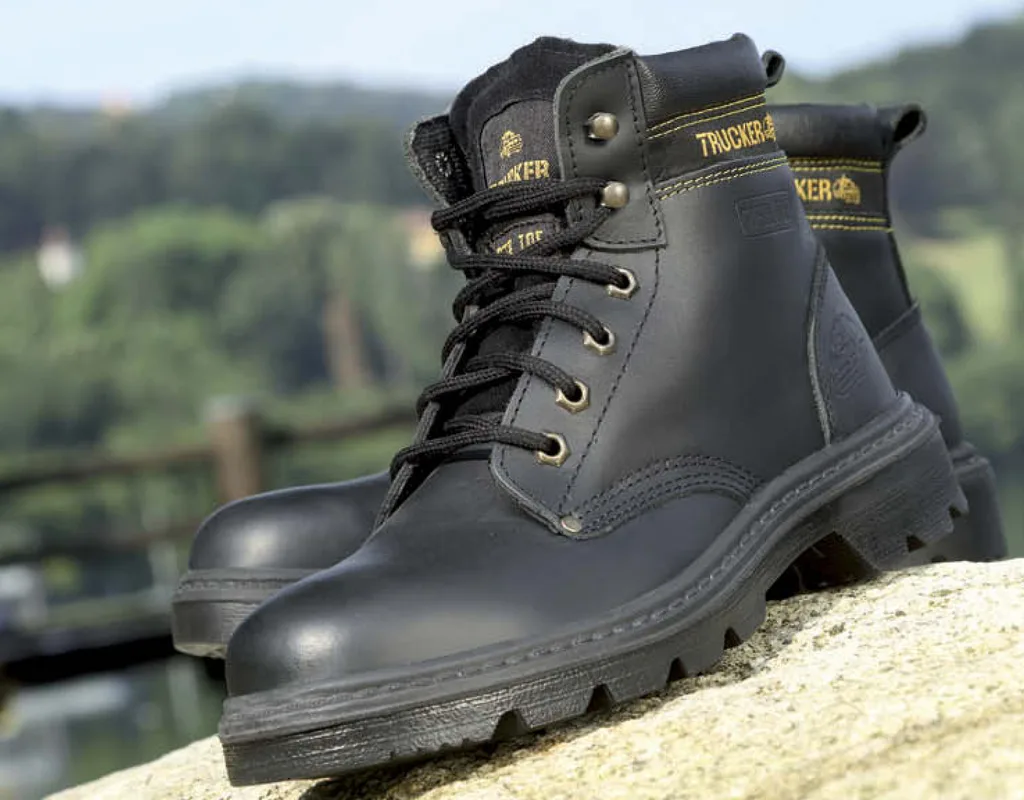
Supertouch has teamed up with safety shoe manufacturer, Aimont, and has now put together a step-by-step guide to testing the fit of safety footwear.
• Put a sock in it: It might sound obvious, but before trying on a pair of safety boots, make sure you have the right socks on – these should be the type you intend to wear on the job so that you can accurately assess the boot’s fit.
Ideally, you want socks that are long lasting and insulating, but a top tip is to look for socks with the addition of moisture wicking fabrics which allow the foot to breathe and keep moisture at bay.
• You’re swell: Make sure you test the boots at the end of your day as this tends to be when your feet are at their largest, due to swelling.
• If the shoe fits: Before you lace up, push your feet forward and see if you can fit one finger behind your heel. This is a good indication that you have selected the correct size as a shoe any smaller is likely to create circulation issues.
• Keeping you on your toes: Once your boots are on and done up, start walking around, then try some knee raises, as well as hopping and squatting. Next, slowly roll onto the sides of your feet, your ankles should feel adequately supported by the boots at this angle.
Completing a variety of different movements like these, helps replicate some of the physical exertions you will be putting your feet and shoes through throughout the course of the day. Be aware that the heel should never lift up out of the boot or rub against the back of the shoe.
• No mean feet: Next, take your feet out of the boots. Are there any red marks? If so, this highlights pressure points and hot spots, meaning that the boots are not a good fit and will likely cause all sorts of painful problems in the future. However, if your feet are free of marks, you’ve found the fit for you.
• These boots are made for walking: Once you have tried and tested the boots, we recommend lacing them in a Heel Lock pattern. This not only keeps your feet secure, holding your heel in place and ensuring your ankle is sufficiently supported, but also acts to remove the pressure from the front of your boot.
With so much choice within the market, understanding what to look for and any potential pressure points is key to finding the right footwear for you and the application. Never pick boots based purely on cost and always make sure that they meet the safety criteria set by the employer or site.
IPE Newsletter
IPE publishes a weekly eNewsletter, delivering a carefully chosen selection of the latest stories straight to your inbox.
Subscribe here