


The need for a written plan
When written and followed correctly, a lifting plan provides
real control over the lifting operation and can reduce the
risk of an accident. Geoff Holden, chief executive of the
Lifting Equipment Engineers Association (LEE
When written and followed correctly, a lifting plan provides
real control over the lifting operation and can reduce the
risk of an accident. Geoff Holden, chief executive of the
Lifting Equipment Engineers Association (LEEA) explains
For all but the simplest, routine lifting
operations, a written plan is essential.
In practice this means written plans
are required for any lifting operation when a
dangerous or unusual load is involved, the
lift is performed in unusual circumstances or
difficult environments, more than one lifting
appliance is required, or when special lifting
equipment is used. There’s no doubt that
over recent years written plans have become
more commonplace. Unfortunately the
content often falls short of good practice.
And frequently the plan sits in a file and is
only referred to if something goes wrong – a
waste because, correctly written and
followed, it can reduce the risk of an
accident.
To be effective, the plan should be
available to all the key personnel involved. It
should be easily understood and provide the
level of detail that a suitably trained person
will need to carry out the operation. The
starting point should be a clear description
of what the lifting operation is supposed to
achieve. A risk assessment will also be
required. Many sites have standard
procedures which control the risks arising
from the hazards that are a permanent
feature of the location. The risk assessment
for the lifting operation should focus on any
additional hazards associated with the lifting
operation, or any risk arising from the
permanent hazards which will change as a
result of it.
Next comes the method of carrying out the
operation. Essentially it is the sequence of
events, starting with any preparation work. In
the context of mobile crane operations, access
to the site, and its load bearing capability, are
key considerations – as is the area available
should the crane be of a size which requires
transportation in sections. Large crane
operations often involve smaller cranes and
lorry loaders and these should not be
overlooked. It goes without saying that the
crane (and other equipment) must be
suitable for the lifting operation. However,
many accidents occur simply because the
capacity of a crane was inadequate, or
because a lack of space prevented outriggers
from being fully deployed.
The load may need preparation before
lifting starts. Although it may be better to
treat the detail of such work as a separate
operation, the need to do it should still be
included as a stage in the plan. Similarly the
route the load is to take may need
preparation, along with the landing site. The
load may need to be orientated either in the
air or while lifting or lowering. The method
of doing so, and when, should be in the plan.
Next the plan should list equipment and
personnel involved. The equipment list
should be as detailed as possible. The list of
personnel is really a list of job functions.
Adequate supervision is essential,
particularly if two or more operatives are
involved. The method of communicating
with a crane driver should also be included.
The plan should be checked by the person
in overall charge of the lifting operation. If
satisfactory it should be given a plan
reference number, signed and dated. Plans
often have to be made well in advance and
based on certain assumptions. Anything
likely to change therefore needs to be
checked as and when the information is
available. Any change required to the plan
should go back to the appointed person for
approval. To provide an audit trail, the
change and date should be recorded.
The plan must be made available to
everyone involved. It is good practice to have
a ‘tool box’ talk just before the operation
commences, ensuring everyone has read and
understood the latest version. Of course
operations will not always go smoothly. The
plan should therefore include a procedure to
follow in the event of things going awry. In
particular it should ensure that any decisions
about changes go to the appropriate level of
authority.
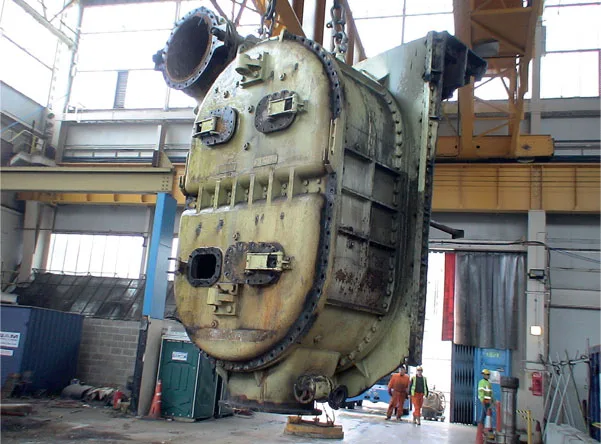
One final word of advice: If a lift is likely
to be repeated at some point – as is common
in maintenance operations – consider taking
photos for reference. It’s a cheap and easy
way of adding value to future written plans.
Related posts


IPE Newsletter
IPE publishes a weekly eNewsletter, delivering a carefully chosen selection of the latest stories straight to your inbox.
Subscribe here