

|
Edward Lowton
Editor |


|
| Home> | Handling and Storing | >Lift trucks & ancillaries | >Fuel-cell powered fleet |
ARTICLE
Fuel-cell powered fleet
25 January 2013
The past few years have seen growing investment in the development of fuel-cell technology, particularly in the USA. Crown has been researching fuel-cell forklift applications for more than seven years and in 2008 set
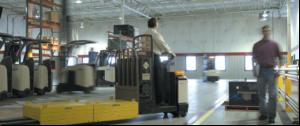
The past few years have seen
growing investment in the
development of fuel-cell
technology, particularly in
the USA. Crown has been
researching fuel-cell forklift
applications for more than
seven years and in 2008 set
up its own dedicated fuel-cell
research and test centre.
Crown says it initiated the industry's first fuel-cell qualification programme and has now qualified more than 20 lift truck models to operate with fuel-cells in the US market, many of which are already in use at customer locations.
Now a new fleet of 35 Crown FC 4500 Series counterbalanced lift trucks, fitted with fuel cells, has been delivered to Coca-Cola Bottling Co. Consolidated, further demonstrating the lift-truck manufacturer's strength in the strategic deployment of fuel cellpowered forklifts.
Converting a lift truck fleet to fuel-cell technology does require additional investment in warehouse infrastructure, but this one-off capital investment can usually be offset against the benefits of the new technology, such as a possible increase in productivity.
Crown says it initiated the industry's first fuel-cell qualification programme and has now qualified more than 20 lift truck models to operate with fuel-cells in the US market, many of which are already in use at customer locations.
Now a new fleet of 35 Crown FC 4500 Series counterbalanced lift trucks, fitted with fuel cells, has been delivered to Coca-Cola Bottling Co. Consolidated, further demonstrating the lift-truck manufacturer's strength in the strategic deployment of fuel cellpowered forklifts.
Converting a lift truck fleet to fuel-cell technology does require additional investment in warehouse infrastructure, but this one-off capital investment can usually be offset against the benefits of the new technology, such as a possible increase in productivity.
MORE FROM THIS COMPANY
OTHER ARTICLES IN THIS SECTION